Türkçe
 English
Magnetic Particle (MPI) vs Penetrant Testing: Which One is Better?
Among non-destructive testing (NDT) methods, two of the most commonly compared techniques are Magnetic Particle Inspection (MPI) and Liquid Penetrant Testing (PT). While both methods are used to detect surface defects, their working principles, applications, and performance differ significantly.
In this article, we provide a detailed technical comparison of MPI and penetrant testing to help you choose the right method for your application.
Difference in Working Principle
Magnetic Particle Inspection (MPI)
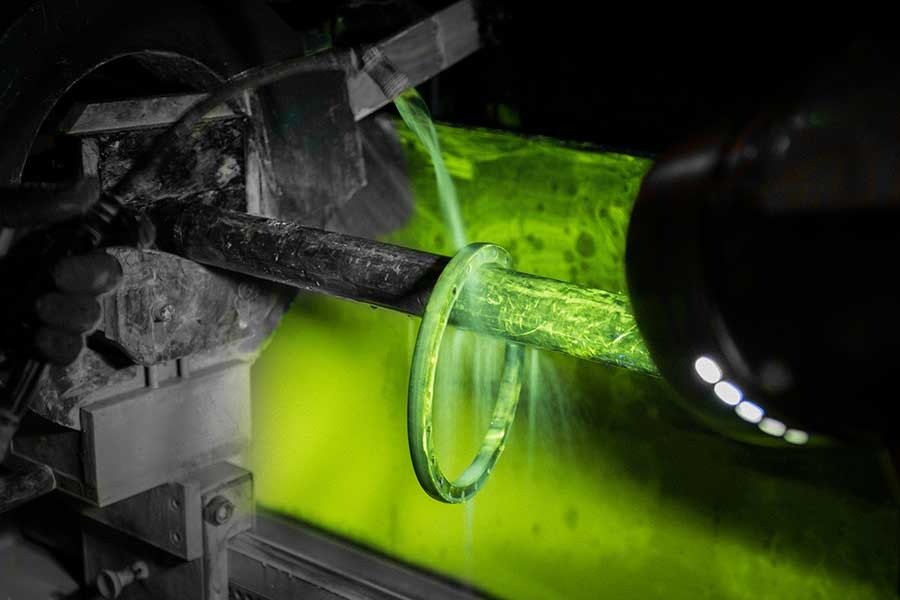
In MPI, the test component is magnetized using an electric current or magnetic field. If a discontinuity such as a crack exists, the magnetic field lines are distorted, creating leakage magnetic fields.
Magnetic particles applied to the surface accumulate in these leakage areas, making the defect visible.
Penetrant Testing (PT)
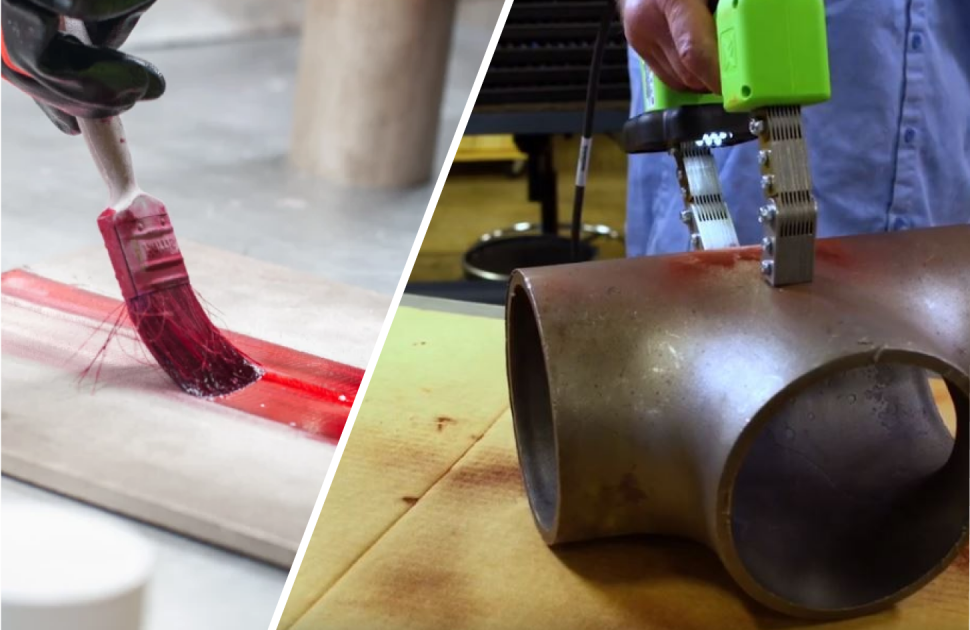
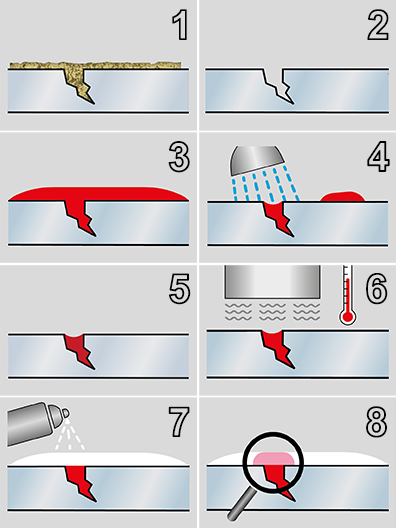
In penetrant testing, a low-viscosity liquid penetrant is applied to the surface. The liquid penetrates into cracks and surface defects. After removing excess penetrant, a developer is applied.
The developer draws the penetrant back to the surface, making defects visible.
Key Differences
| Feature | Magnetic Particle (MPI) | Penetrant Testing (PT) |
|---|---|---|
| Material Type | Ferromagnetic only | All materials |
| Detection Depth | Surface + near-surface | Surface only |
| Sensitivity | High | Very high (surface) |
| Inspection Time | Faster | Slower |
| Cleaning Requirement | Low | High |
| Automation | Suitable | Limited |
When to Use MPI?
Magnetic particle inspection is preferred in the following cases:
- Ferromagnetic materials such as steel
- Detection of near-surface defects
- Mass production lines
- Automated inspection systems
MPI is widely used in industrial environments due to its ability to detect both surface and near-surface defects.
When to Use Penetrant Testing?
Penetrant testing is preferred when:
- Inspecting non-ferromagnetic materials (aluminum, stainless steel, etc.)
- Detecting very fine surface cracks
- Inspecting complex geometries
Its material independence makes PT highly versatile.
Limitations of MPI
Magnetic particle inspection is not suitable for all applications:
- Cannot be used on non-ferromagnetic materials
- May be less sensitive than PT for very fine surface cracks
- Requires demagnetization after testing
Selecting the correct method is critical before inspection.
Limitations of Penetrant Testing
Penetrant testing also has some limitations:
- Detects only surface defects
- Requires longer processing time
- Needs thorough surface preparation and cleaning
- Limited automation capability
These factors may reduce efficiency in high-volume production environments.
Advantages Comparison
Advantages of MPI
- Detects both surface and near-surface defects
- Faster and more operator-friendly
- Suitable for automation
- Ideal for mass production
Advantages of Penetrant Testing
- Applicable to all materials
- High sensitivity for very fine surface cracks
- Lower equipment cost
- Suitable for complex geometries
MPI or Penetrant: Which is Better?
MPI and penetrant testing are not alternatives but complementary methods.
- If the material is ferromagnetic and near-surface defects are critical → MPI is more effective
- If the material is non-ferromagnetic or very fine surface cracks are critical → Penetrant testing is preferred
The correct choice depends on material type, defect characteristics, and production requirements.
NDT Solutions by NEXSEN
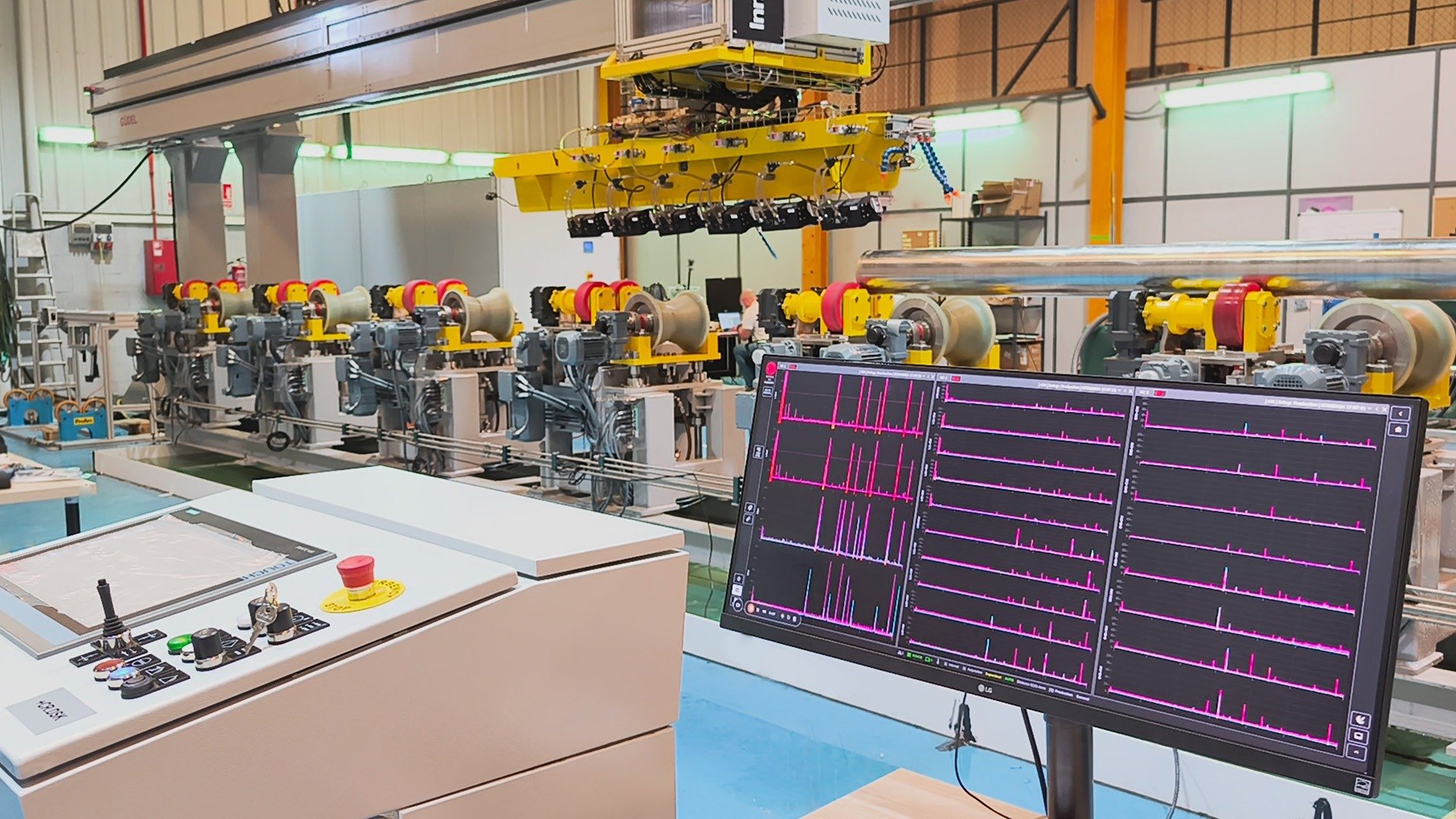
At NEXSEN, we provide customized solutions for both magnetic particle inspection and penetrant testing systems. From manual setups to fully automated production lines, we help optimize your inspection processes.
Learn more about our magnetic particle inspection systemsFrequently Asked Questions (FAQ)
Which method is more sensitive: MPI or PT?
Penetrant testing is more sensitive for surface defects, while MPI can detect near-surface discontinuities.
Can MPI be used on aluminum?
No. MPI is only applicable to ferromagnetic materials.
Why does penetrant testing take longer?
Because it involves multiple steps including cleaning, penetrant application, and development.
Which method is more cost-effective?
Penetrant systems have lower initial cost, but MPI is more efficient in mass production.