Türkçe
 English
What Are Crack Depth Measurement Methods and Devices?
Crack Depth Measurement Technologies: Ultrasonic vs. Eddy Current Array vs. Crack Depth Meter
Accurate analysis of surface and sub-surface cracks in industrial equipment is critical for both operational safety and cost control. Especially in welded structures, pressure vessels, aerospace components, power plants, and heavy industry applications, the precise measurement of crack depth directly influences maintenance, repair, and "fitness-for-service" decisions.
Today, the most widely used methods for crack depth measurement include:
Crack Depth Meters (working with the Potential Drop Method)
In this article, we will technically compare these three methods, examining their material compatibility, measurement capabilities, and respective advantages/disadvantages.
1. Ultrasonic Crack Depth Measurement (UT)
How does it work?
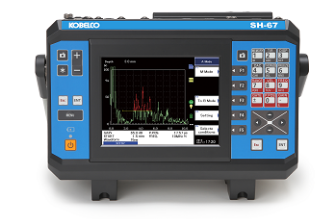
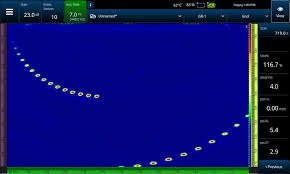
In the ultrasonic testing method, high-frequency sound waves are transmitted into the material. The reflections of these sound waves from cracks or discontinuities are analyzed to calculate the location and depth of the flaw. It is one of the most common NDT methods, particularly for thick-walled metallic components.
- Compatible Materials: Carbon steel, stainless steel, cast materials, aluminum, and composites (with specialized probes).
- Advantages:
- Highly successful for sub-surface (internal) cracks.
- Capable of inspecting large thicknesses.
- Strong performance in deep crack analysis.
- Widely used in weld inspections.
- Disadvantages:
- Operator experience is critically important.
- Sensitivity may decrease for very shallow surface cracks.
- Measurement becomes difficult on rough surfaces.
- Geometric complexity can interfere with results.
- Typical Measurement Depth: UT can measure from a few millimeters to hundreds of millimeters. However, sensitivity may decrease for micro-cracks very close to the surface.
2. Eddy Current Array (ECA)
What is Eddy Current Array technology?
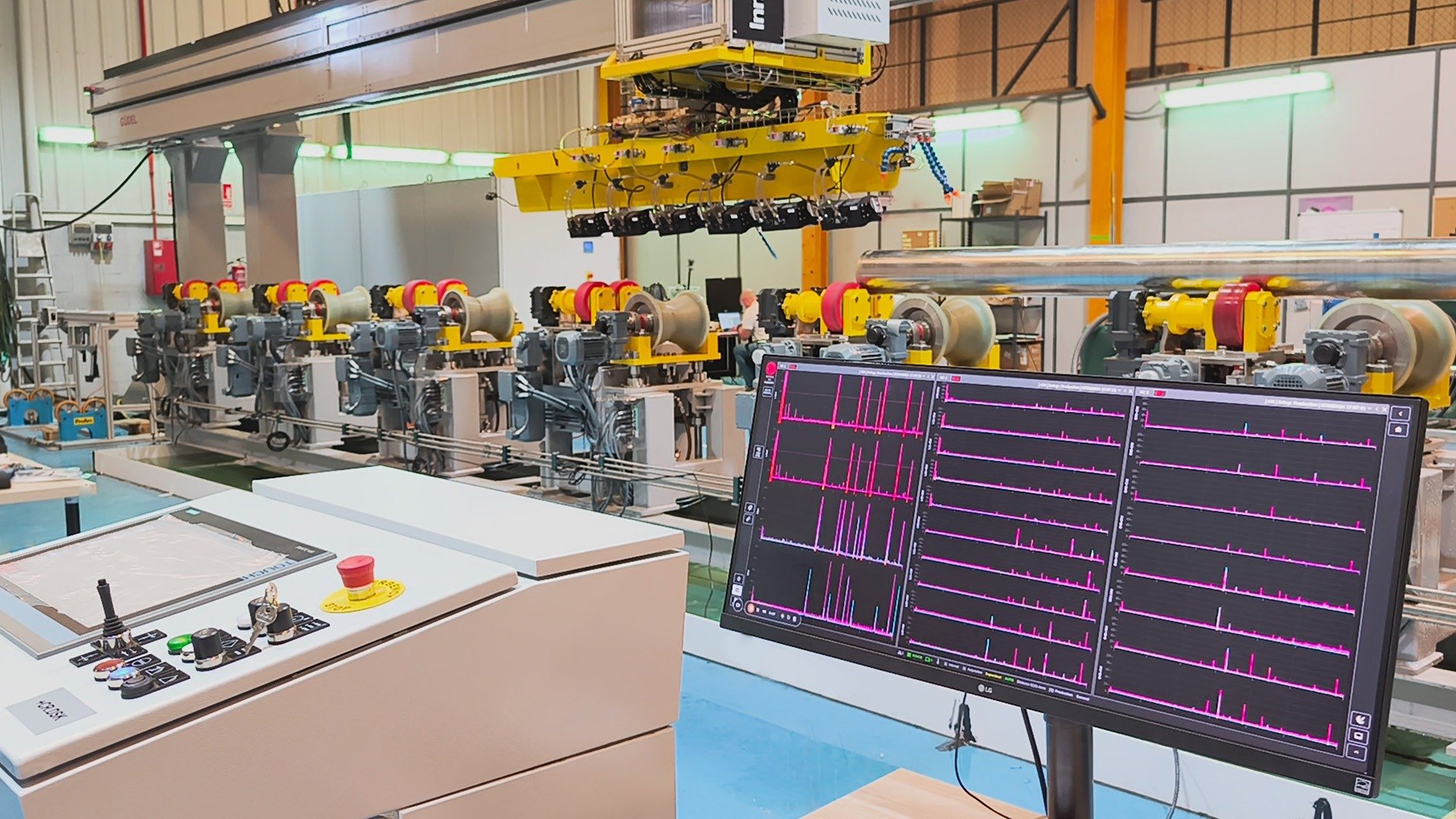
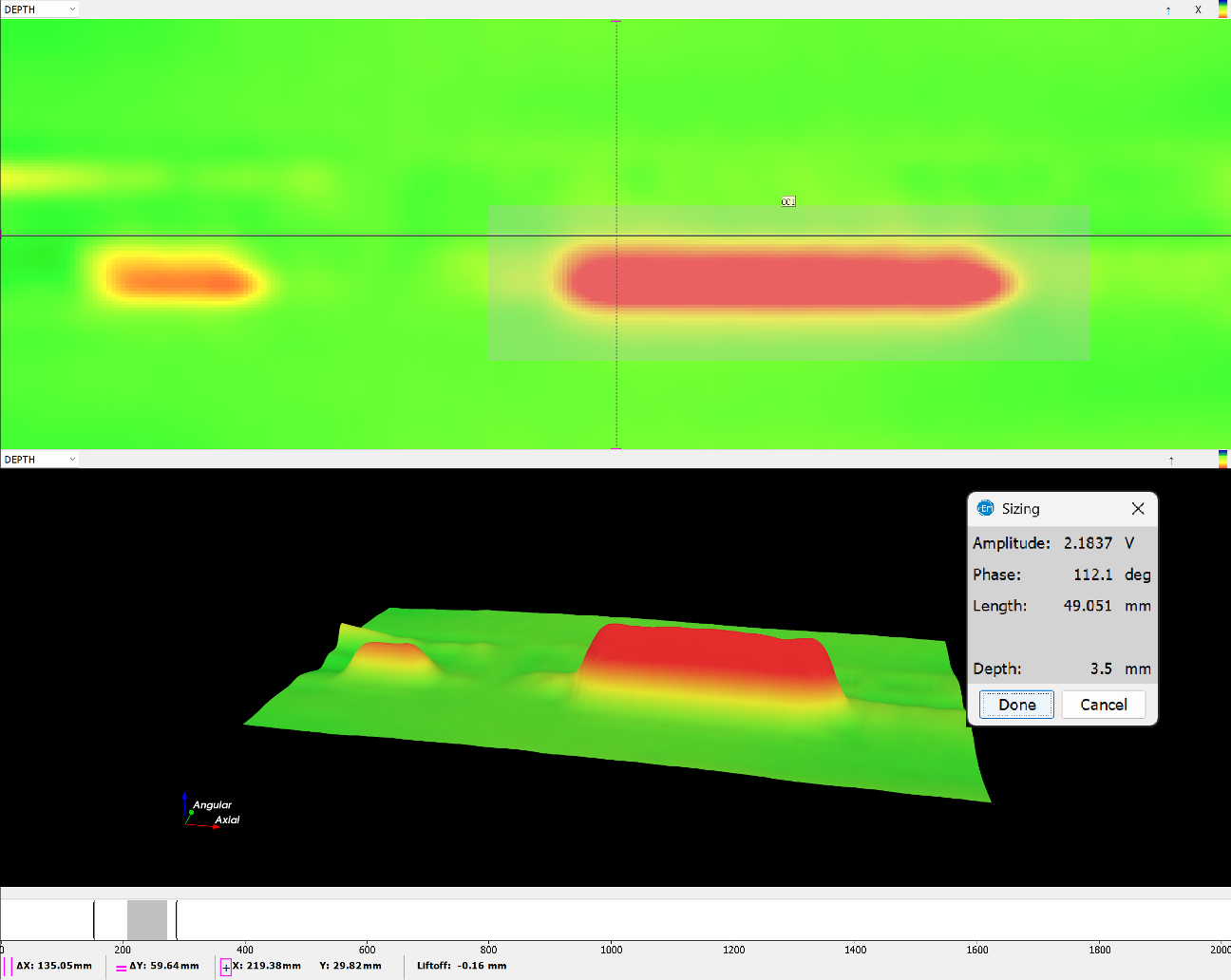
ECA is an advanced version of conventional eddy current testing. By using multiple coil arrays, it can scan wider areas in a single pass and provide a more detailed profile of the crack. It provides extremely fast and sensitive surface inspection on conductive materials.- Compatible Materials: Carbon steel, stainless steel, aluminum, titanium, copper alloys, and all electrically conductive metals.
- Advantages:
- Very high-speed scanning capability.
- High sensitivity for surface and near-surface cracks.
- Can perform inspections through paint or coatings.
- Advantageous for complex geometries.
- Provides visual mapping (C-Scan style imaging).
- Disadvantages:
- Effectiveness decreases for deep cracks.
- Only works on conductive materials.
- Not as successful as UT for thick cross-sections.
- Typical Measurement Depth: ECA provides high precision for surface cracks and near-surface discontinuities within the first few millimeters. Due to the "skin effect," sensitivity drops as depth increases. It is generally preferred for crack analysis between 0–5 mm.
3. Crack Depth Meter (e.g., RMG 4015)
How does it work?
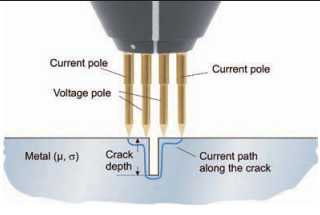
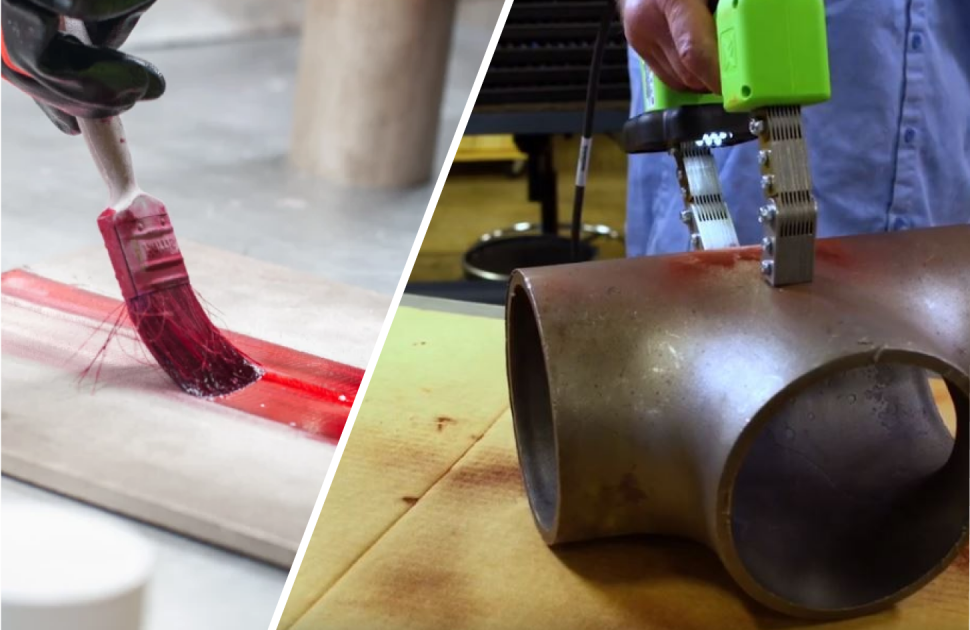
Devices like the RMG 4015 operate on the "Potential Drop" principle. By applying an alternating current (AC), the electrical resistance difference created by the crack is measured and converted into a depth value. These devices are specifically developed to quantify the depth of surface cracks already detected by PT (Penetrant Testing) or MT (Magnetic Particle Testing).
- Compatible Materials: Steel, iron, austenitic stainless steel, aluminum, brass, copper, and most conductive metals.
- Advantages:
- Disadvantages:
- Only works on conductive materials.
- Requires direct metallic contact (surface preparation).
- Not effective for sub-surface internal flaws compared to UT.
- Measurement Range:
- Steels: 0 – 99.9 mm
- Aluminum/Copper/Brass: 0 – 12 mm
Comparison Table: UT vs. ECA vs. Crack Depth Meter
| Feature | Ultrasonic (UT) | Eddy Current Array (ECA) | Crack Depth Meter (RMG 4015) |
| Operating Principle | Sound Waves | Electromagnetic Induction | Potential Drop |
| Primary Use | Surface + Internal Flaws | Surface/Near-surface Cracks | Surface Crack Depth |
| Material Type | Metals + Some Composites | Conductive Metals | Conductive Metals |
| Sensitivity | High in deep cracks | Very high on surface | High on surface |
| Speed | Moderate | Very Fast | Very Fast |
| Operator Dependency | High | Moderate | Low to Moderate |
| Visualization | Limited | Advanced Mapping (C-Scan) | Digital Numeric Value |
| Thick Section Perf. | Excellent | Limited | Moderate |
| Typical Application | Welds, Forgings | Aerospace, Surface Quality | PT/MT Verification |
Conclusion: Which Method Should You Choose?
- Choose Ultrasonic Testing (UT) when dealing with thick materials, internal flaws, or deep weld inspections.
- Choose Eddy Current Array (ECA) for high-speed scanning, surface crack mapping, and inspections through coatings or on complex geometries.
- Choose a Crack Depth Meter (RMG 4015) for rapid numerical verification of surface crack depths after PT/MT and for user-friendly, portable field measurements.
In modern maintenance processes, these three methods are often used as complementary rather than alternatives, ensuring a comprehensive assessment of structural integrity.