Türkçe
 English
What Are NDT Methods?
What Are NDT Methods?
Visual Testing (VT)
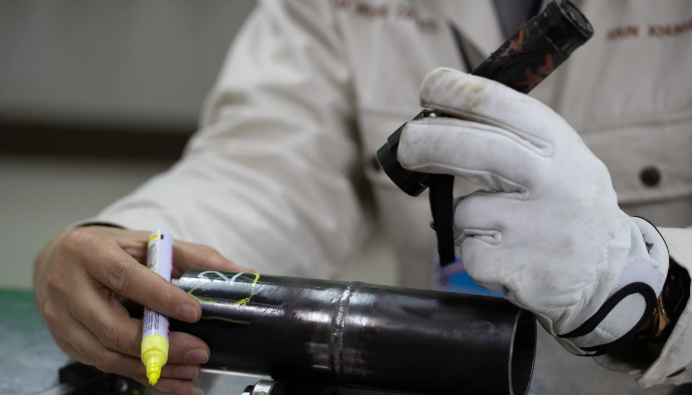
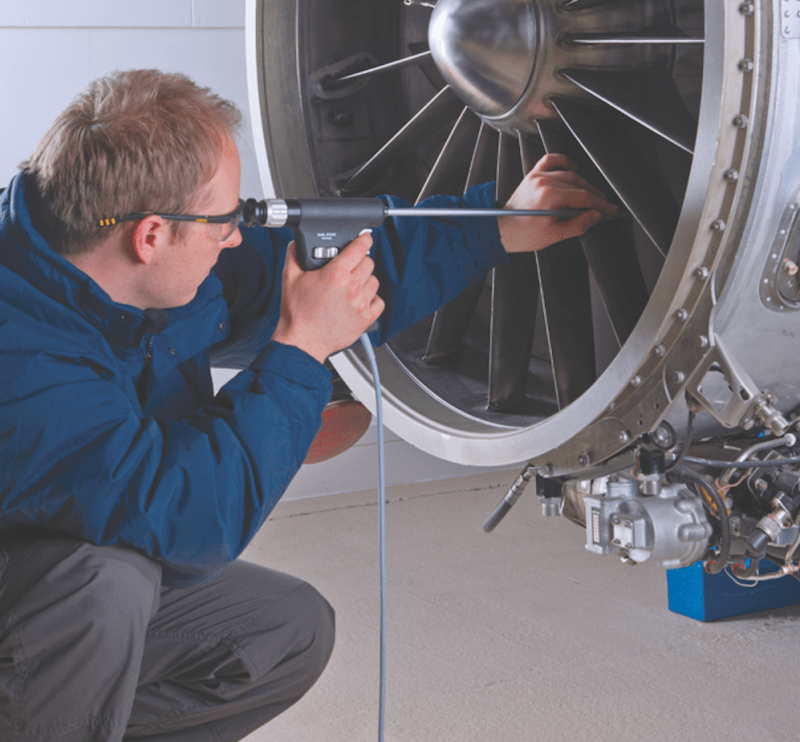
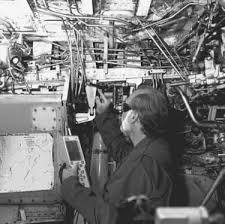
Visual testing is the most basic and widely used non-destructive testing method. Components are inspected directly by the human eye or with the help of optical tools such as magnifiers, cameras, or borescopes. Surface cracks, deformation, and visible defects can be detected using this method.
Penetrant Testing (PT)
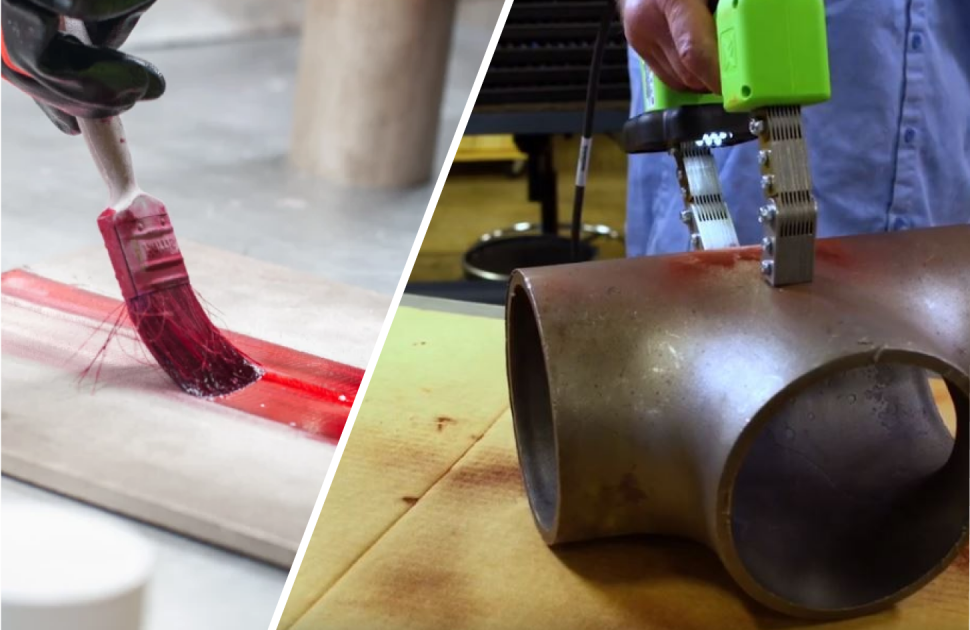
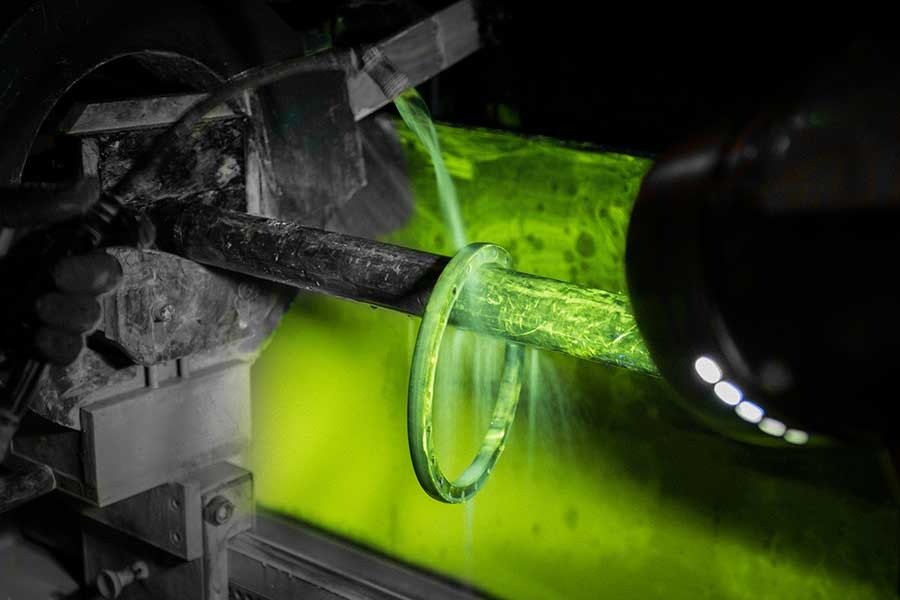
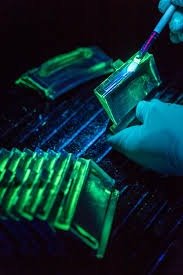
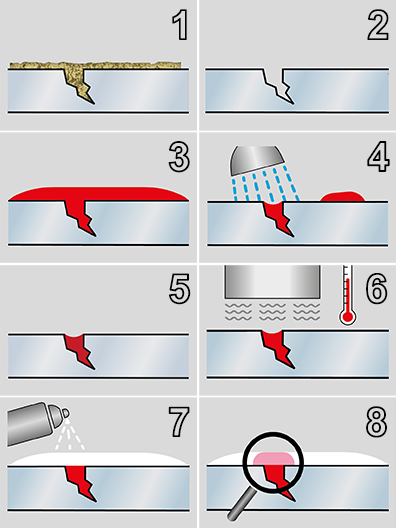
Penetrant testing is used to detect surface-breaking defects. A liquid penetrant is applied to the surface and penetrates into cracks or discontinuities. After removing excess penetrant, a developer is applied to draw the penetrant out of the defects, making them visible.
Magnetic Particle Testing (MT)
Magnetic particle testing is used to detect surface and near-surface defects in ferromagnetic materials. The component is magnetized, and magnetic particles applied to the surface accumulate at leakage fields created by defects, making them visible.
Magnetic Particle Inspection Systems (Mpı Test Benches & Lines)
Ultrasonic Testing (UT)
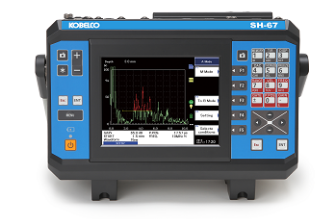
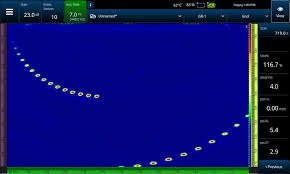
Ultrasonic testing uses high-frequency sound waves to detect internal defects within materials. It is highly effective for inspecting thick materials and is commonly used for weld inspection, forgings, and pressure vessels.
Radiographic Testing (RT)
Radiographic testing uses X-rays or gamma rays to examine the internal structure of materials. It allows inspectors to detect internal defects such as voids, cracks, and inclusions within castings and welds.
Eddy Current Testing (ET)
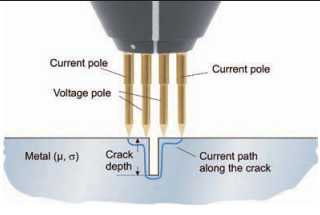
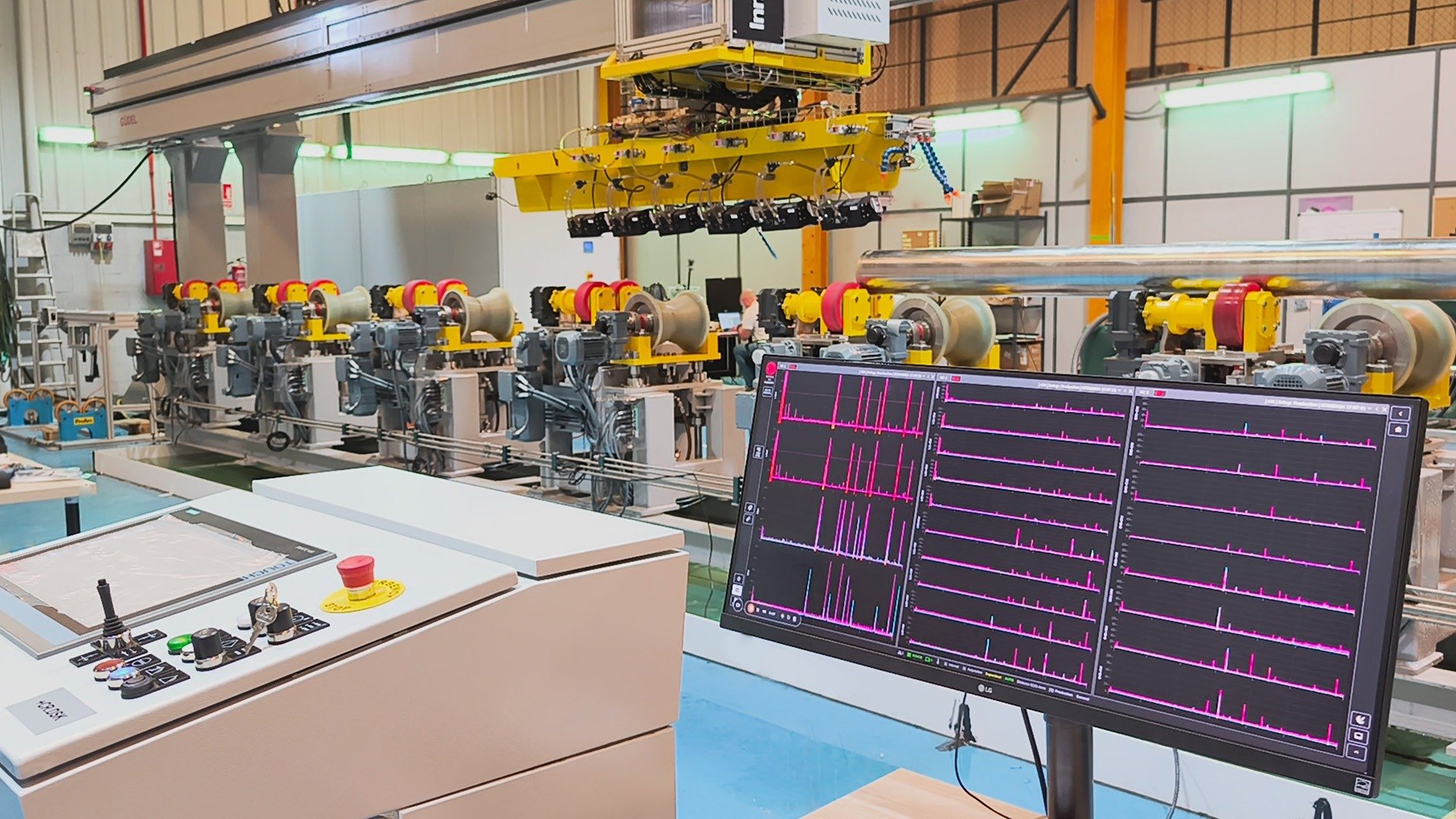
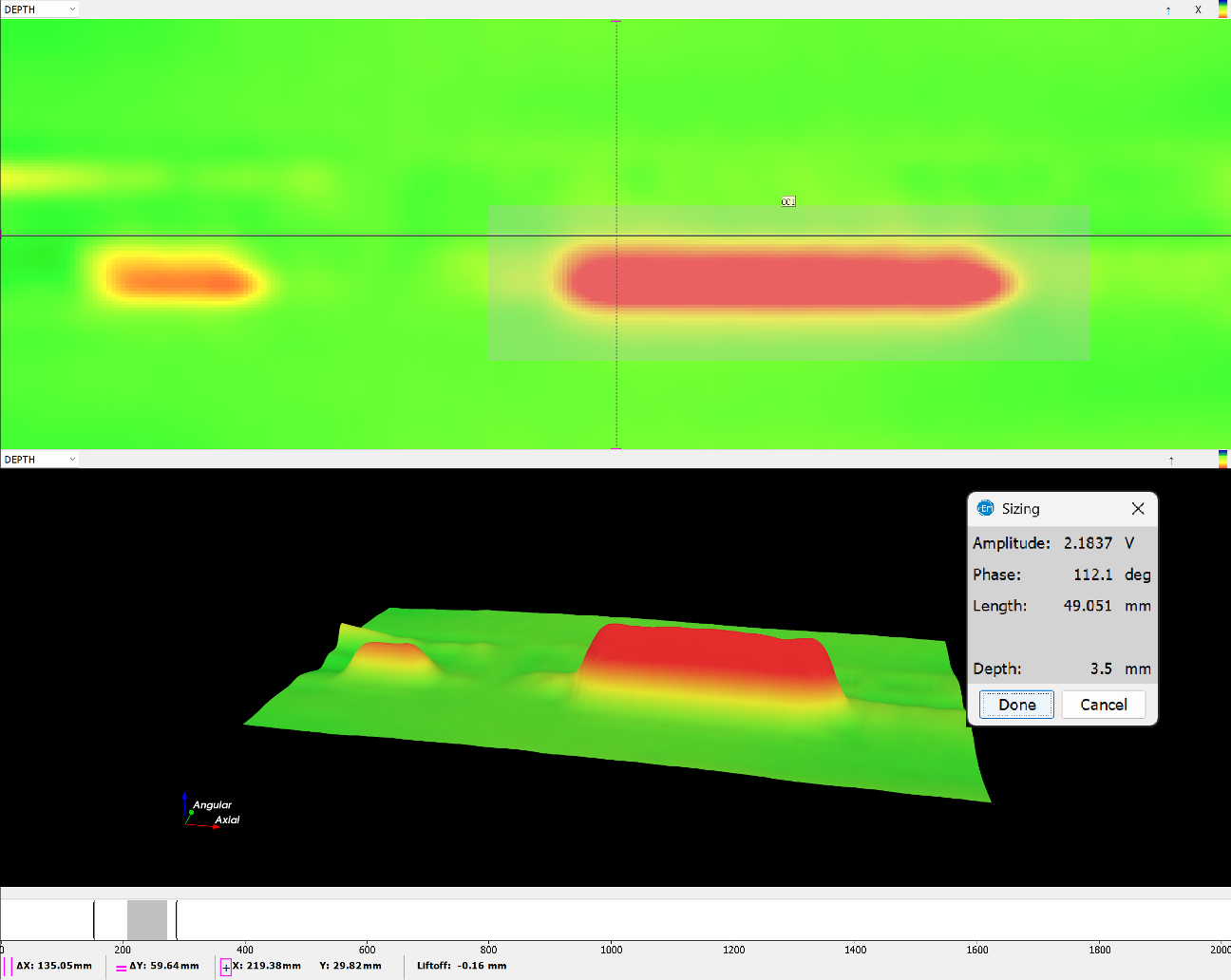
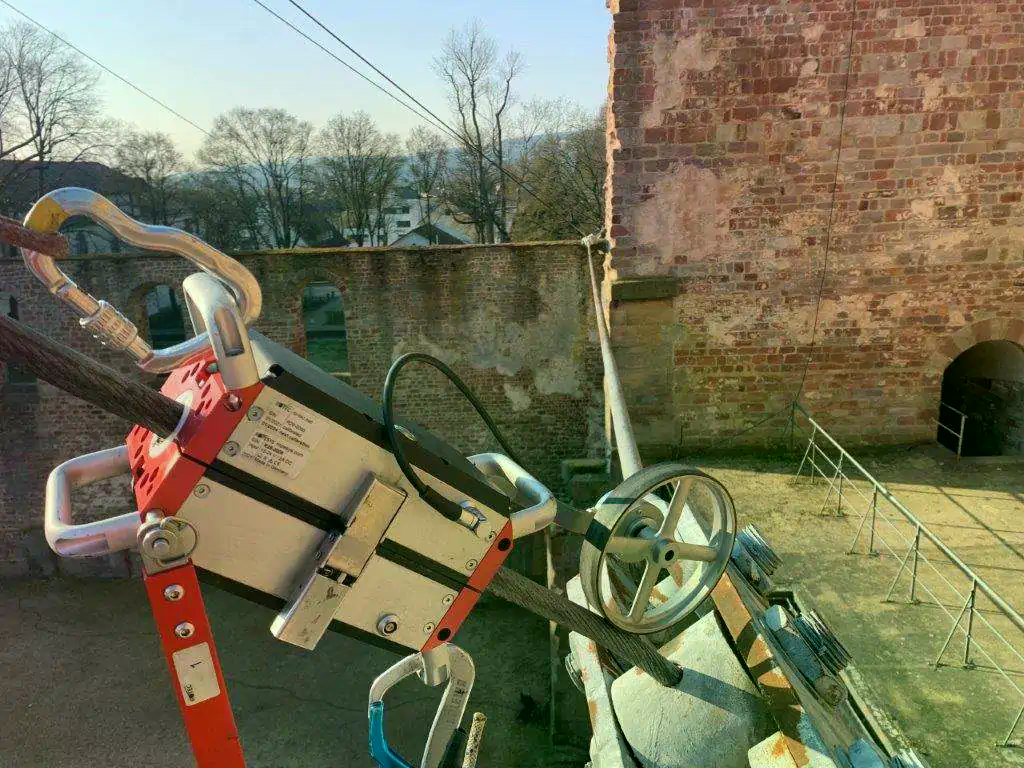
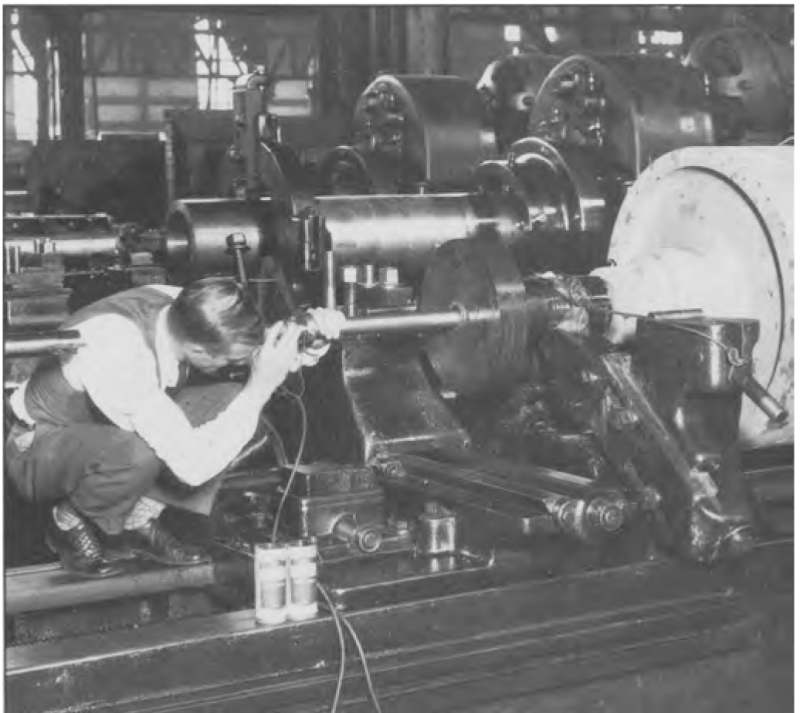
Eddy current testing is an electromagnetic inspection method used for electrically conductive materials. It is very effective for detecting surface and near-surface defects and is widely used in aerospace, automotive, and metal manufacturing industries.
Billet Separation in the Forging Industry: Automatic Material Verification with Eddy Current
Hardness and Material Sorting of Axles, Shafts, and Cardan Components with Eddy Current
Crack Detection and Automated Inspection of Motor Stators with Eddy Current
Crack Detection and Inspection of Rocket Motor Tubes with Eddy CurrentHardness and Material Sorting of Axles, Shafts, and Cardan Components with Eddy Current
Crack Detection and Automated Inspection of Motor Stators with Eddy Current
NEXSEN provides engineering solutions, inspection equipment, and customized testing systems for industrial quality control and non-destructive testing applications.