Türkçe
 English
What is a Magnetic Particle Crack Detection Device? (MPI Testing Method)
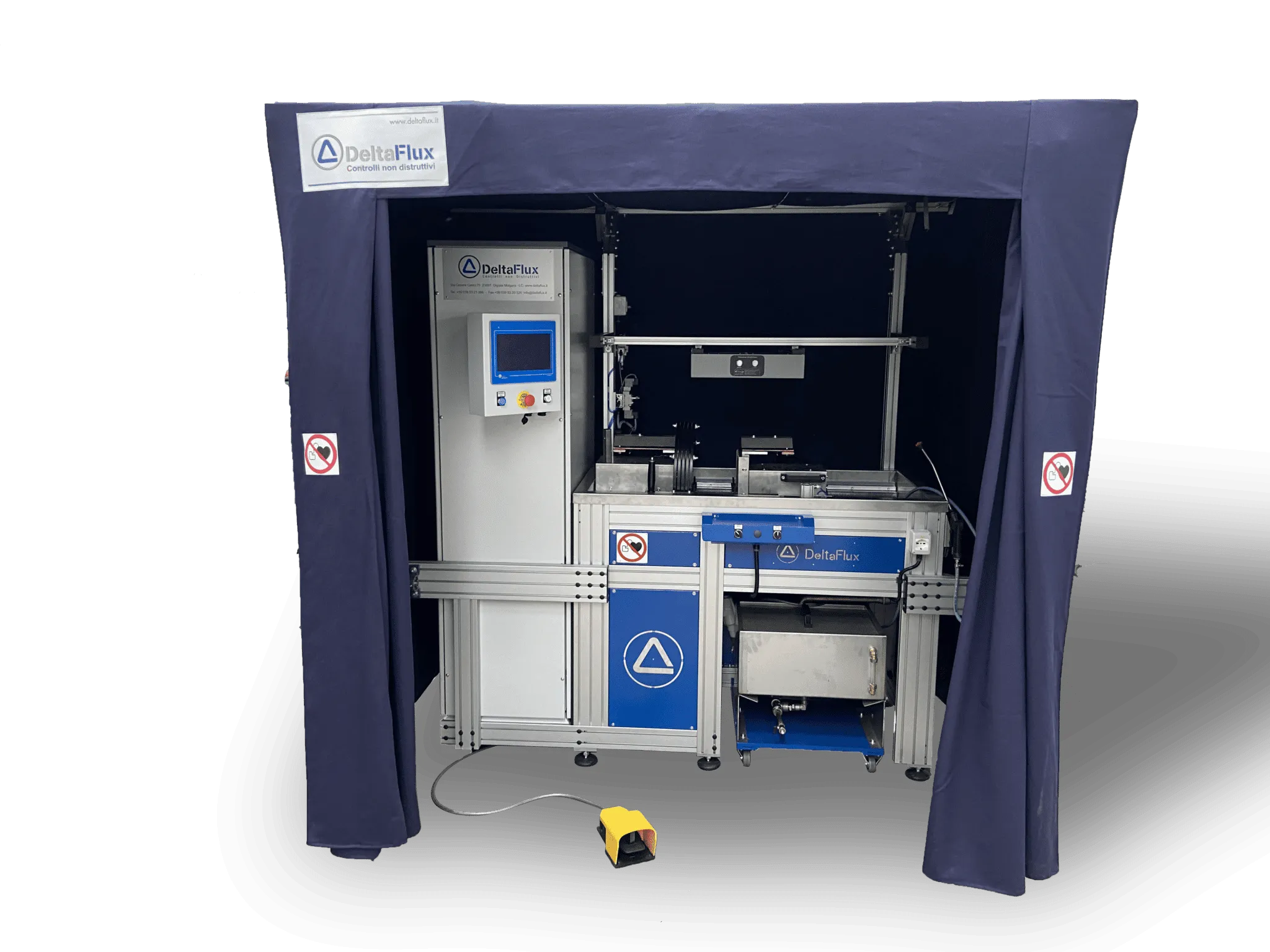
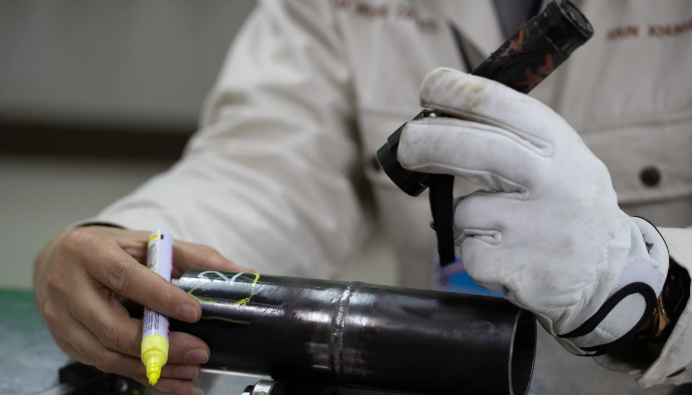
A magnetic particle crack detection device is a non-destructive testing (NDT) system used to detect surface and near-surface discontinuities in ferromagnetic materials. This method provides high sensitivity in identifying cracks, cold shuts, forging defects, and welding imperfections.
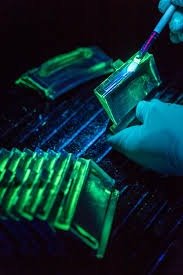
Magnetic Particle Inspection (MPI) works by making leakage magnetic fields visible on the surface, allowing operators to quickly and reliably detect defects.
How Does Magnetic Particle Inspection (MPI) Work?
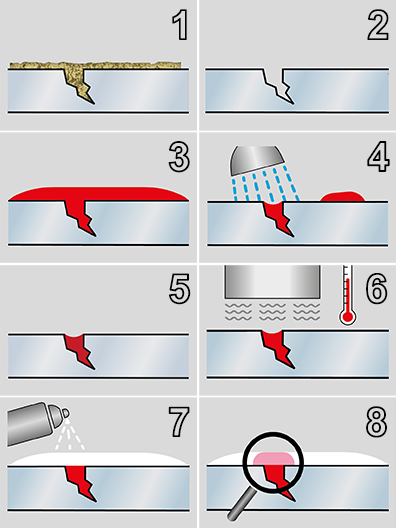
In MPI, the test part is magnetized using an electric current or magnetic field. If a discontinuity (such as a crack) exists, the magnetic field lines are distorted, creating leakage fields.
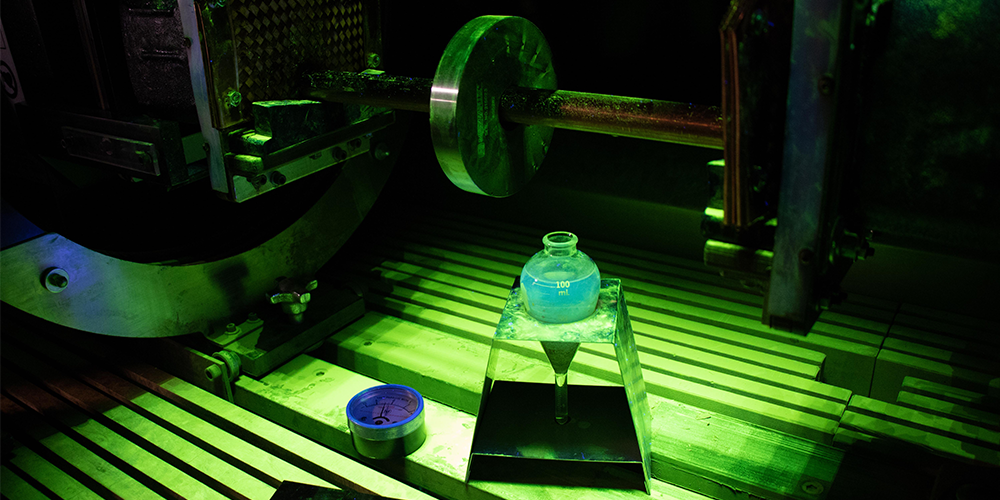
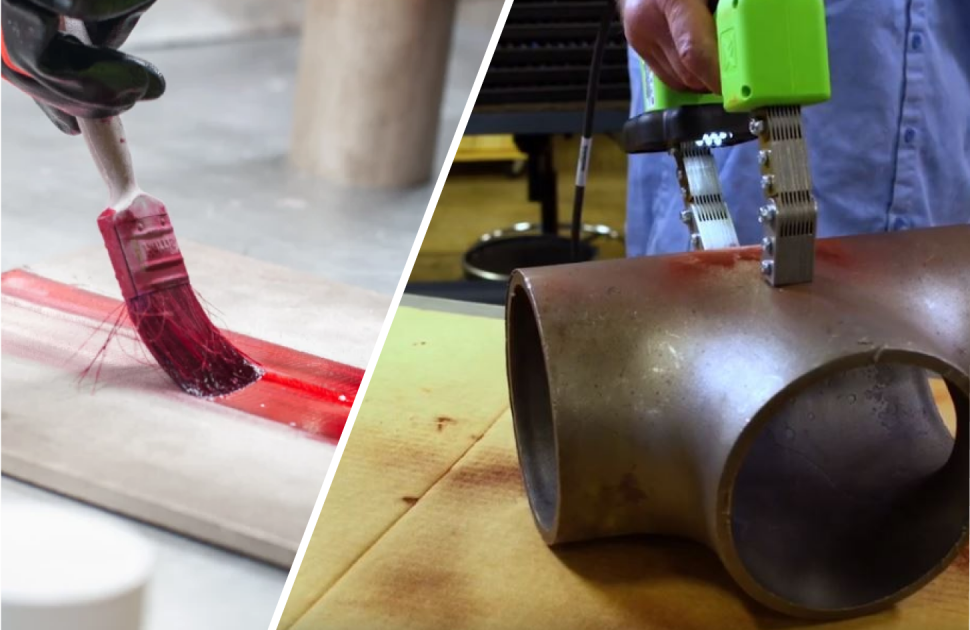
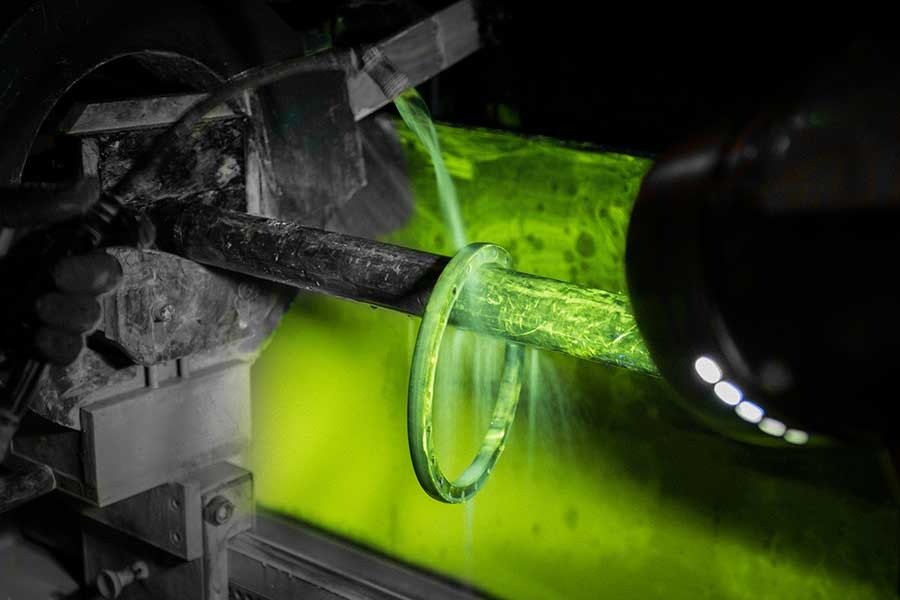
Magnetic particles (dry powder or liquid suspension) are then applied. These particles accumulate at leakage field areas, making defects visible.
This method allows detection of:
- Surface cracks
- Near-surface defects
- Welding defects
- Heat treatment-related discontinuities
Types of Current Used in MPI Systems
The type of current used in MPI systems directly affects inspection sensitivity and depth.
AC (Alternating Current)
AC is commonly used for detecting surface defects.
- High sensitivity for surface cracks
- Skin effect limits penetration to surface
- Fast and practical application
- Ideal for surface inspections
DC (Direct Current)
DC is used for detecting subsurface defects.
- Deeper penetration
- Detection of near-surface discontinuities
- Wider magnetic field coverage
- Suitable for thick sections
FWDC (Full Wave Direct Current)
FWDC offers a balanced performance between AC and DC.
- Effective for both surface and near-surface defects
- Stable magnetic field
- Widely used in automated systems
- Preferred in production lines
HWDC (Half Wave Direct Current)
HWDC creates a pulsating magnetic field.
- Enhances particle mobility
- Improves crack visibility
- Advantageous in manual inspections
- Common in operator-controlled testing
Why is Demagnetization Necessary?
After MPI inspection, residual magnetism may remain in the part, which can negatively affect performance—especially in precision components.
Demagnetization ensures:
- Removal of residual magnetic fields
- Prevention of metal particle attraction
- Suitability for further processing
Modern MPI systems typically include integrated demagnetization units.
Advantages of Magnetic Particle Inspection Systems
MPI systems provide key benefits in industrial quality control:
- Fast and reliable inspection
- High crack detection sensitivity
- Reduced operator dependency
- Compatibility with automation systems
- Suitable for mass production
Applications Across Industries
MPI systems are widely used in:
- Automotive industry
- Aerospace and defense
- Forging and heat treatment facilities
- Energy and heavy industry
- Railway and machinery manufacturing
MPI Solutions by NEXSEN
At NEXSEN, we provide customized magnetic particle inspection solutions. From manual to fully automated systems, we optimize your inspection processes with reliable and efficient technologies.
Explore our MPI Bench product
Frequently Asked Questions (FAQ)
Does MPI only detect surface defects?
No. AC detects surface defects, while DC and FWDC can detect near-surface discontinuities.
No. AC detects surface defects, while DC and FWDC can detect near-surface discontinuities.
What materials can be tested with MPI?
Only ferromagnetic materials such as steel and iron.
Only ferromagnetic materials such as steel and iron.
Is demagnetization necessary?
Recommended in most cases, especially for precision components.
Recommended in most cases, especially for precision components.