Türkçe
 English
What is Rail Inspection? | Railway NDT Methods and Advanced Technologies
Rail inspection is a critical Non-Destructive Testing (NDT) process used to detect surface and internal defects in railway tracks at an early stage. With increasing train speeds and axle loads, continuous monitoring of rail integrity has become essential for operational safety.
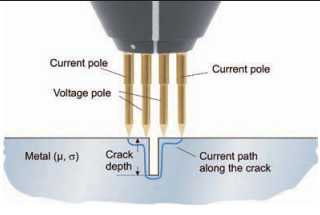
Today, rail inspection relies on advanced NDT methods such as Ultrasonic Testing (UT), Phased Array Ultrasonic Testing (PAUT), Eddy Current (EC), and Eddy Current Array (ECA) technologies.
Critical Rail Defect Types
Rail defects are typically caused by cyclic loading and material fatigue. The most critical defect types include:
- Transverse cracks
- Head checking (Rolling Contact Fatigue – RCF)
- Squats and shelling defects
- Bolt hole cracks
- Web and foot structural cracks
- Corrosion and material loss
If not detected early, these defects can lead to rail failure and serious accidents.
Railway NDT Methods
No single method is sufficient for reliable rail inspection. Therefore, multiple NDT techniques are used together:
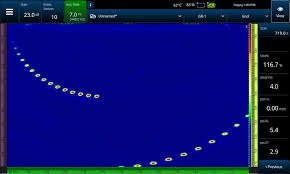
Ultrasonic Testing (UT & PAUT)
- Detection of internal volumetric defects
- Long-range rail inspection
- Multi-probe and phased array systems for wider coverage
Eddy Current (EC & ECA)
- Detection of surface and near-surface cracks
- High sensitivity for head checking and RCF analysis
- High-speed scanning with array technology
Visual Testing (VT)
- Surface inspection using camera-based systems and image processing
Magnetic and Electromagnetic Methods
- Used in specific applications for additional verification
Technical Challenges in Rail Inspection
Railway inspection presents unique challenges compared to conventional NDT applications:
- Requirement for high-speed data acquisition
- Continuous inspection over long track distances
- Harsh field conditions (vibration, temperature, environment)
- Need to minimize operator dependency
- Handling and analysis of large data sets
Modern systems address these challenges through automation, high-speed acquisition, and advanced data analysis software.
Modern Rail Inspection Technologies
Next-generation rail inspection systems provide faster and more reliable results:
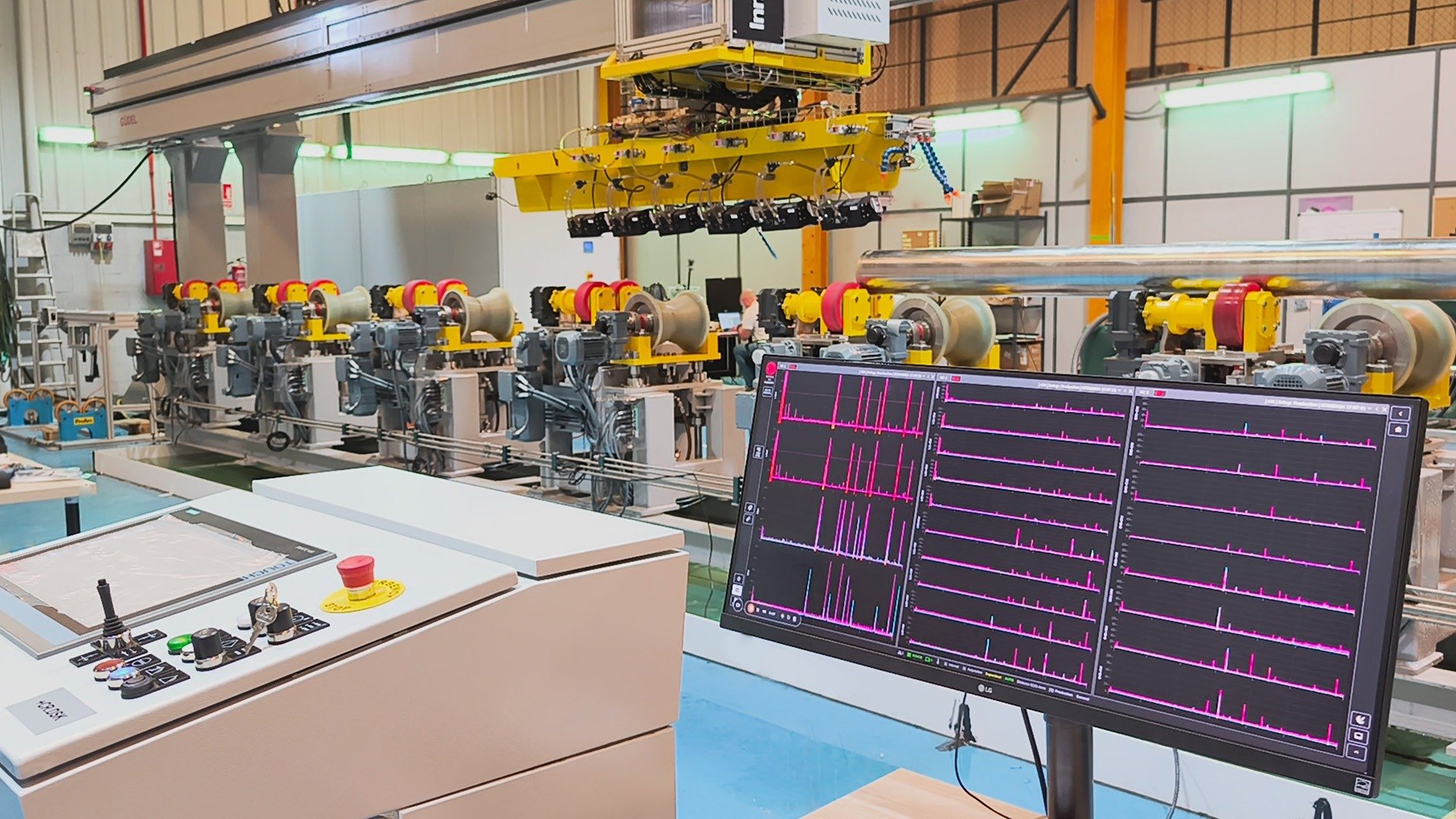
- Multi-channel UT and PAUT systems
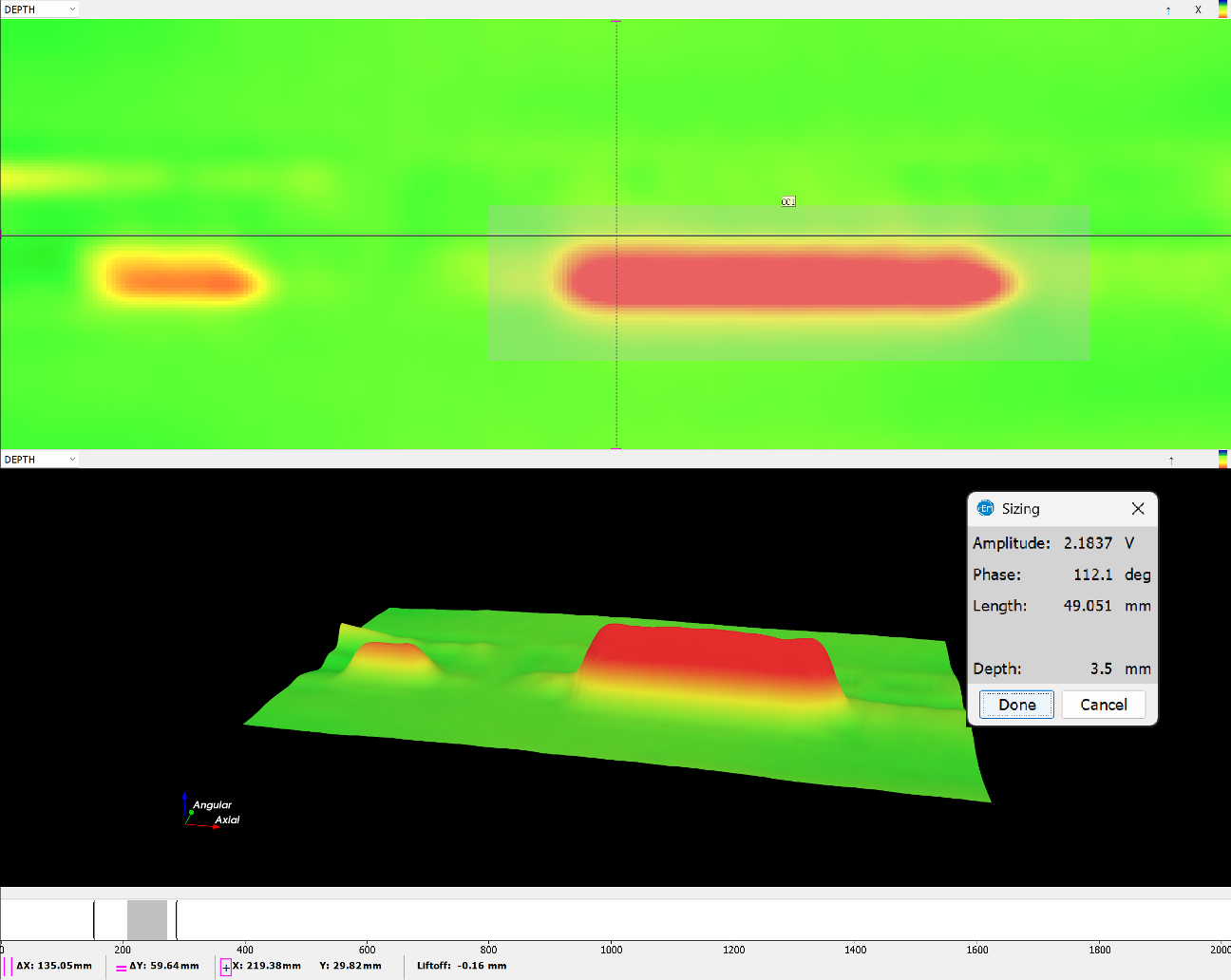
- Eddy Current Array (ECA) scanning solutions
- High-speed rail inspection vehicles
- Trolley-based and portable inspection systems
- Scanner and automation integrations
These systems enable simultaneous detection of both surface and subsurface defects.
Automation and Digitalization in Railway Inspection
Rail inspection is increasingly becoming data-driven and fully digital:
- Real-time data acquisition
- Automated signal processing and defect classification
- Digital reporting and traceability
- Predictive maintenance strategies
This transformation improves system reliability while reducing maintenance costs.
Rail Inspection Solutions with NEXSEN
At NEXSEN Industrial Solutions, we provide advanced railway inspection systems including:
- Ultrasonic rail testing systems
- Eddy Current and Eddy Current Array solutions
- Automation and integration services
- Custom-engineered NDT systems
Our approach ensures high reliability, efficiency, and long-term operational safety.
Conclusion
Rail inspection is a fundamental element of modern railway safety.
With advanced NDT technologies:
- Defects are detected at early stages
- Operational risks are minimized
- Maintenance processes are optimized
- Asset lifetime is extended
The combination of UT, PAUT, and Eddy Current Array technologies delivers maximum performance and reliability in railway inspection applications.