Türkçe
 English
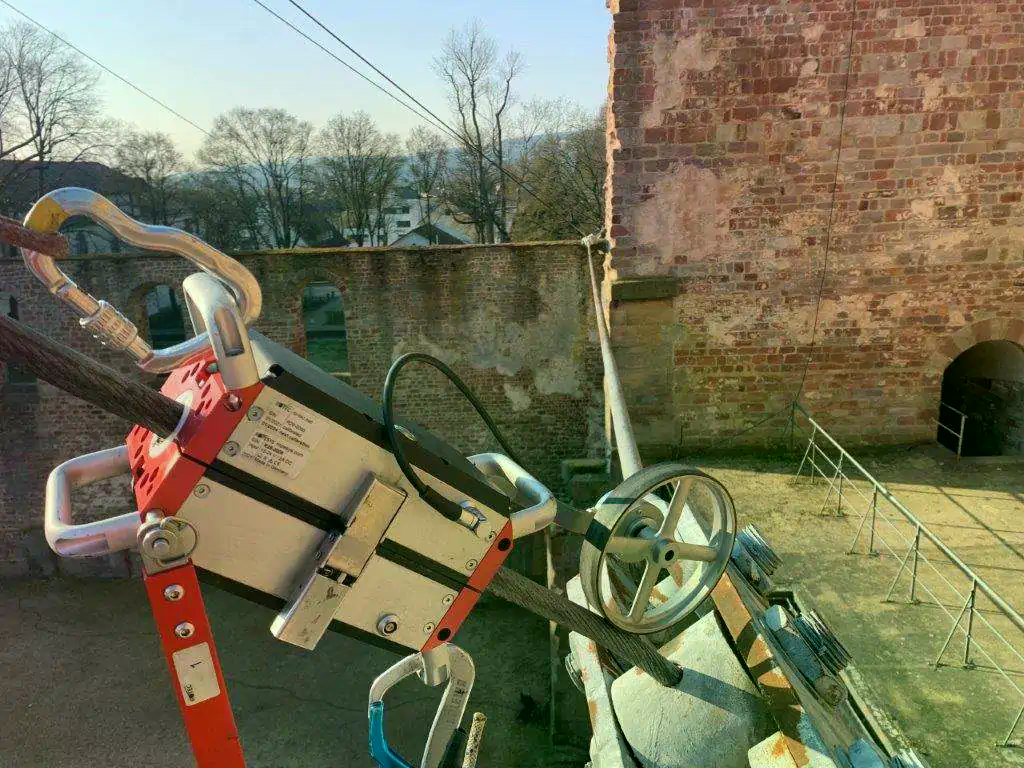
Wire Rope Inspection Device: How It Works (MRT Technology)
What is a Wire Rope Inspection Device?
Wire ropes are critical safety components used in cranes, elevators, cable cars, and heavy industrial applications. Internal defects in these ropes may not be visible from the outside but can lead to serious accidents. Therefore, regular inspection of wire ropes is essential.
Wire rope inspection devices analyze both the internal and external structure of the rope using Non-Destructive Testing (NDT) methods, allowing early detection of potential defects.
How Does MRT (Magnetic Rope Testing) Technology Work?
MRT (Magnetic Rope Testing) is one of the most widely used methods for detecting internal defects in wire ropes. In this method, the rope is magnetically saturated, and changes in the magnetic field are analyzed through sensors.
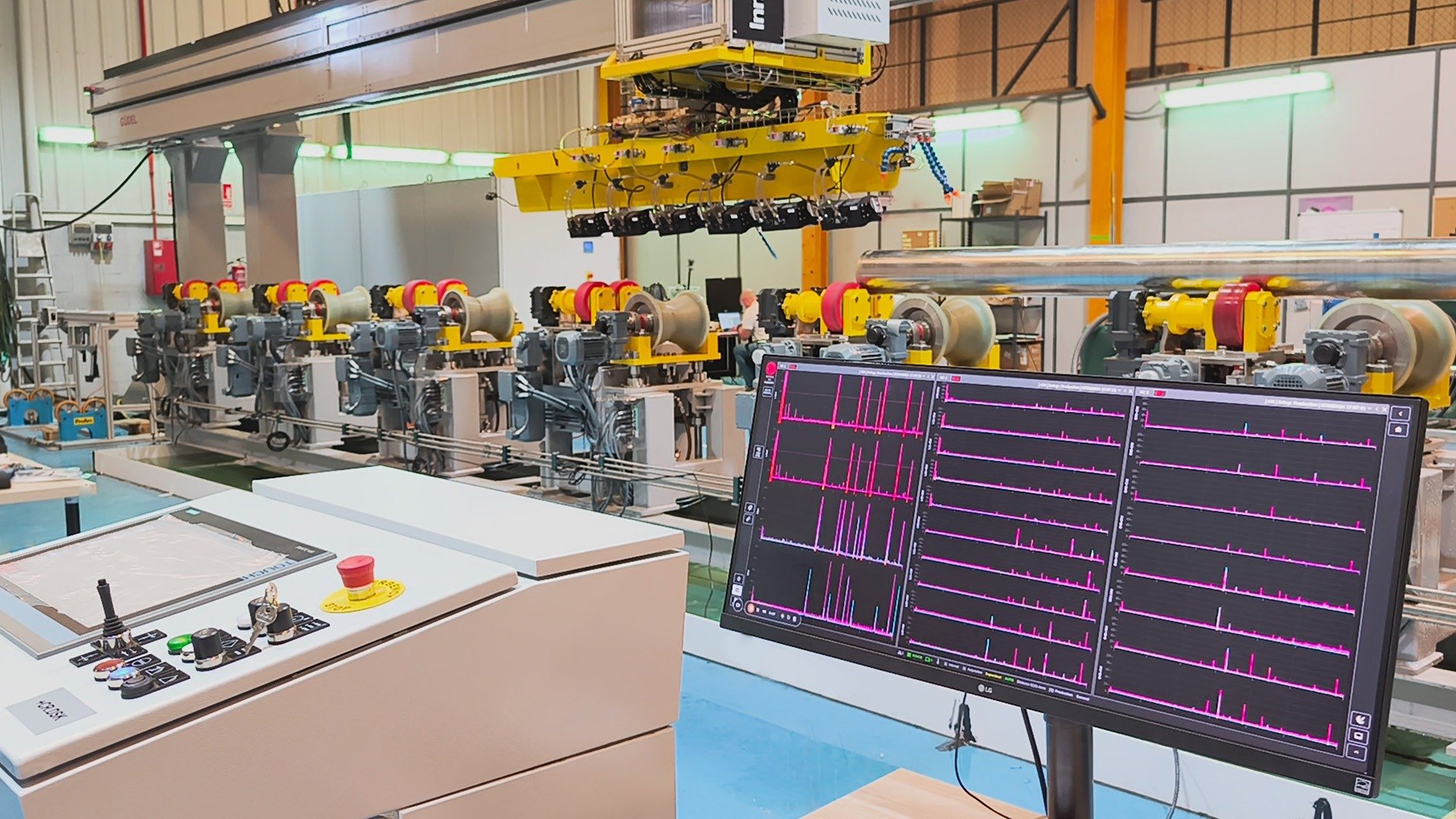
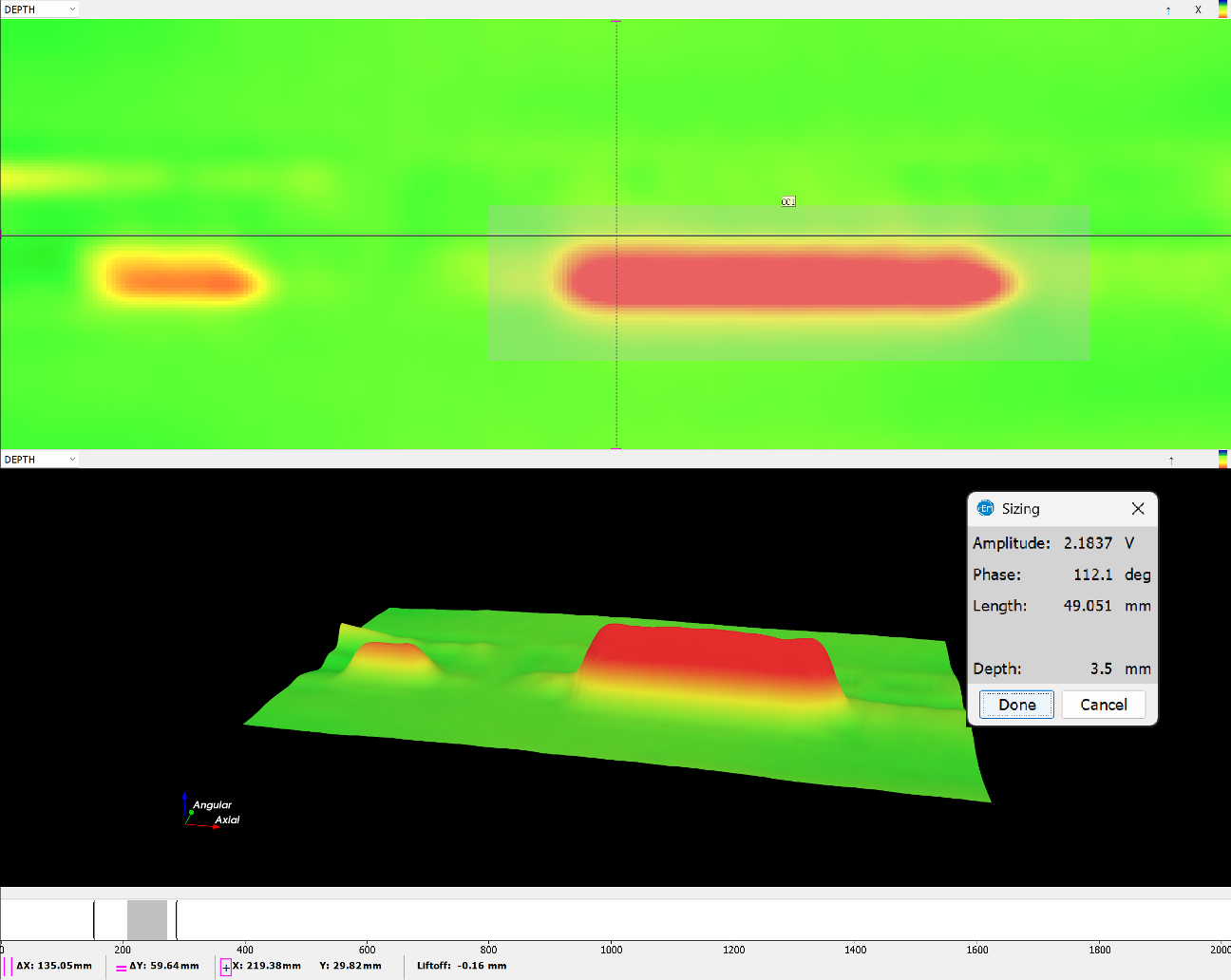
When defects such as broken wires, wear, or corrosion occur, the magnetic field distribution changes. These variations are detected by the device and transmitted to the operator as signals.
This enables accurate detection of:
- Internal wire breaks
- Cross-sectional loss
- Corrosion
- Wear
What Defects Can Be Detected?
MRT-based systems can detect both surface and internal defects. One of the key advantages is the ability to identify hidden internal damage that cannot be seen visually.
Common detectable defects include:
- Internal wire breaks
- External wire damage
- Corrosion and rust
- Wear and material loss
- Structural deformations
These capabilities help extend the safe service life of wire ropes.
Where Are Wire Rope Inspection Devices Used?
Wire rope inspection systems are widely used across multiple industries:
- Cranes and lifting equipment
- Elevators and cable car systems
- Ports and marine applications
- Mining industry
- Power plants
In these sectors, safety is critical, making regular NDT inspections essential.
MRT vs Other NDT Methods
Various NDT methods can be used for wire rope inspection. However, MRT is one of the most effective techniques for internal structure analysis.
For example:
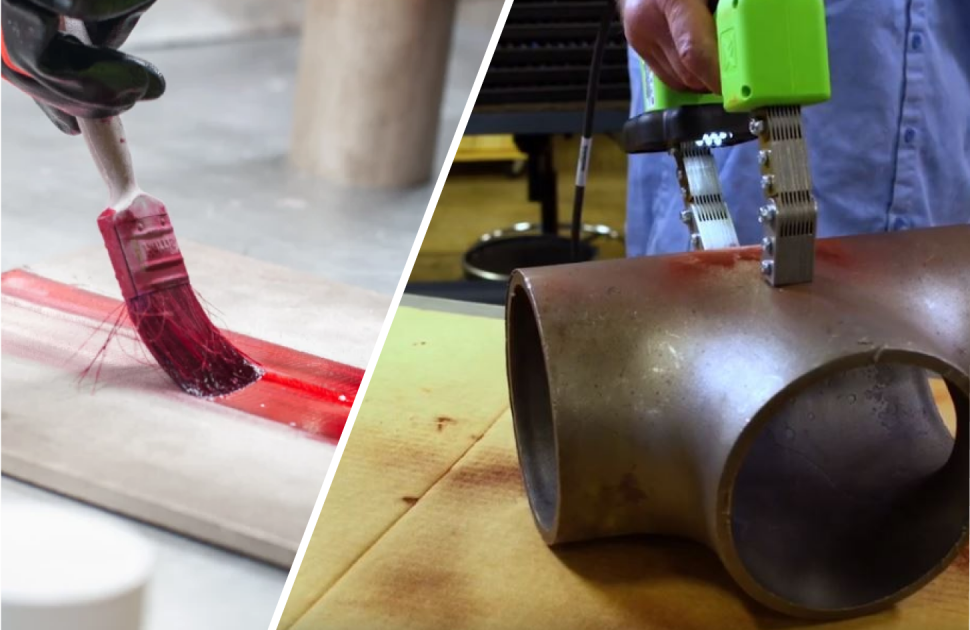
Visual Testing (VT): Detects only surface defects
Ultrasonic Testing (UT): Provides localized measurements
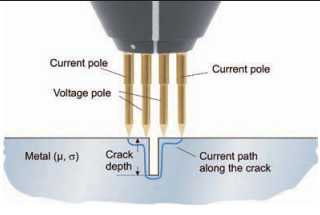
- Eddy Current Testing (ET): Effective for near-surface defects
MRT, on the other hand, can analyze both internal and external defects simultaneously.
Wire Rope Inspection Solutions by NEXSEN
At NEXSEN, we provide industrial solutions for wire rope inspection and NDT systems. With project-based solutions, on-site applications, and technical support, we deliver reliable and sustainable inspection systems tailored to your needs.
Frequently Asked Questions (FAQ)
What is MRT?
MRT (Magnetic Rope Testing) is a non-destructive testing method that analyzes wire ropes based on changes in the magnetic field.
How are internal defects detected in wire ropes?
Internal defects are detected by analyzing magnetic field variations using MRT technology.
Which standards do these systems comply with?
These systems are typically designed in accordance with international NDT standards.
Which is better: Ultrasonic Testing or MRT?
Both methods serve different purposes. However, MRT is more effective for detecting internal defects in wire ropes.Discover our rope inspection solutions and find the most suitable system for your application. Visit our product page for detailed information.