Türkçe
 English
Visual Testing Standards
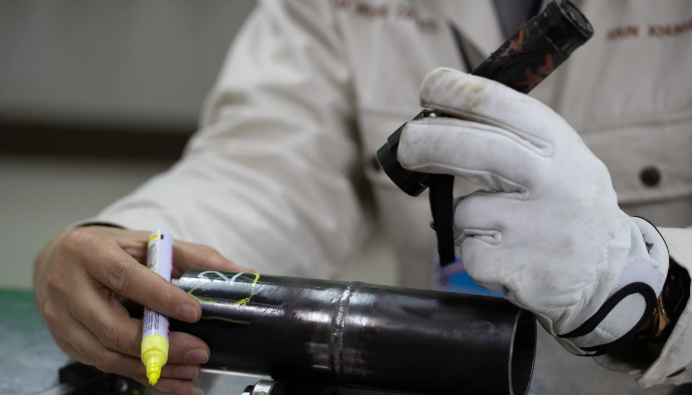
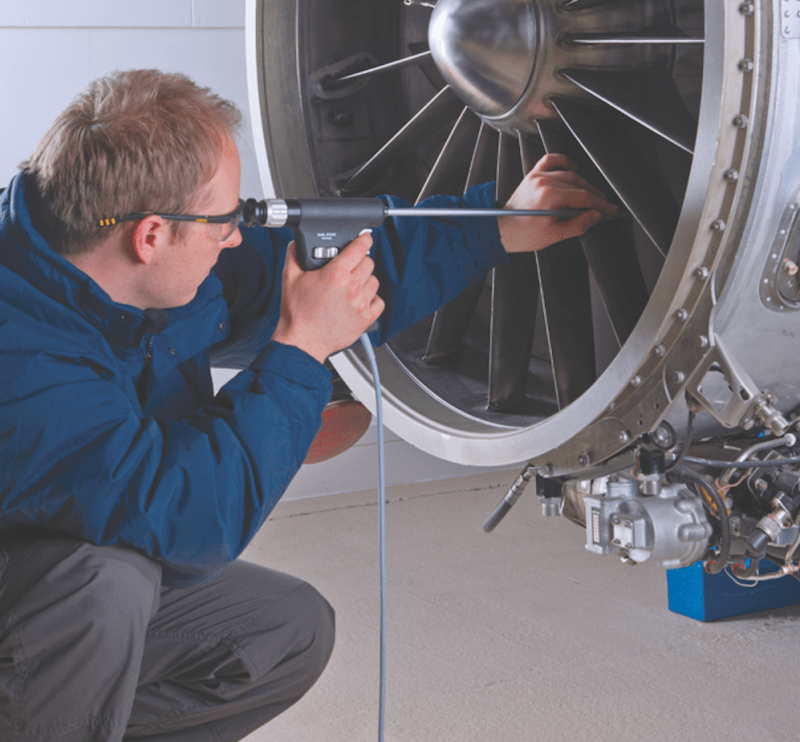
Visual Testing (VT) is one of the most fundamental inspection methods in non-destructive testing. However, to ensure reliable and repeatable results, visual inspections must be performed in accordance with international standards and procedures.
These standards define inspection conditions, operator qualifications, illumination requirements, inspection distance, and acceptance criteria.
The most commonly used visual testing standards in industry include:
ISO 17637
ISO 17637 specifies the requirements for the visual inspection of welded joints. It defines inspection conditions such as lighting requirements, viewing distance, and evaluation procedures.
ASME Section V – Article 9
ASME Boiler and Pressure Vessel Code Section V Article 9 defines the procedures and requirements for visual inspection. It is widely used in pressure vessels, pipelines, and energy industry applications.
ASTM Standards
Certain ASTM standards related to inspection and evaluation may also be referenced in visual inspection practices, especially when combined with other NDT methods.
EN ISO 5817
EN ISO 5817 specifies acceptance levels for weld imperfections. Visual inspection results are often evaluated according to this standard.
ISO 9712
ISO 9712 defines the qualification and certification requirements for NDT personnel performing visual testing and other non-destructive testing methods.
Many standards recommend a minimum illumination level of 500 lux for proper visual inspection. The typical inspection distance should generally be 600 mm or less for reliable evaluation.
NEXSEN provides engineering solutions and inspection equipment to support reliable and efficient industrial quality control and non-destructive testing applications.