Türkçe
 English
What is Penetrant Testing?
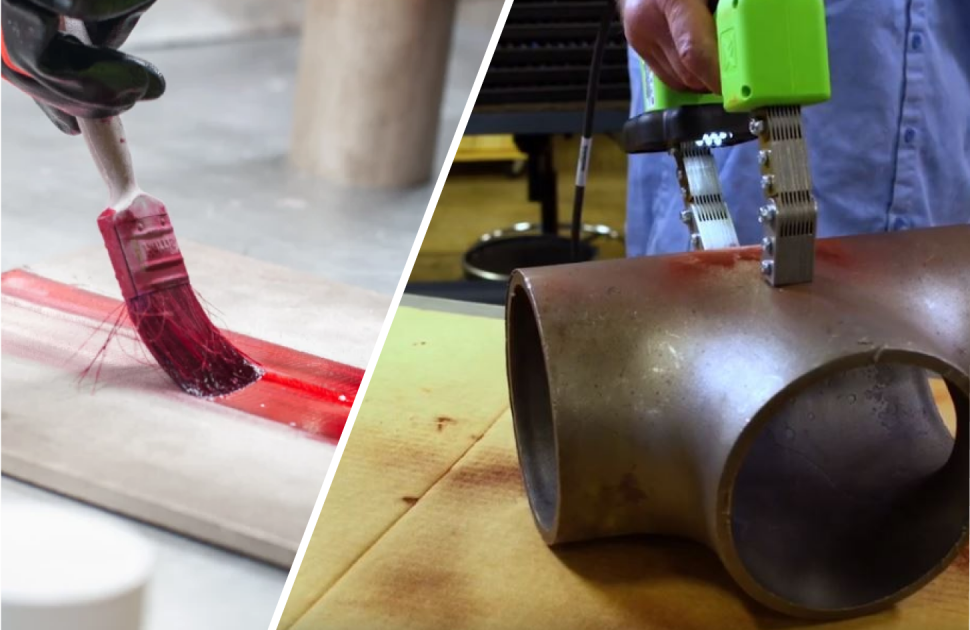
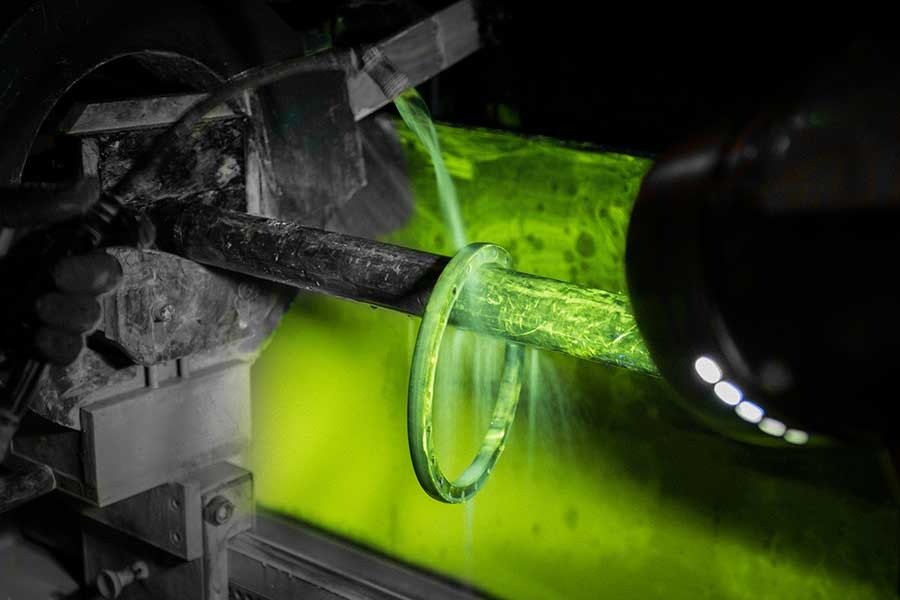
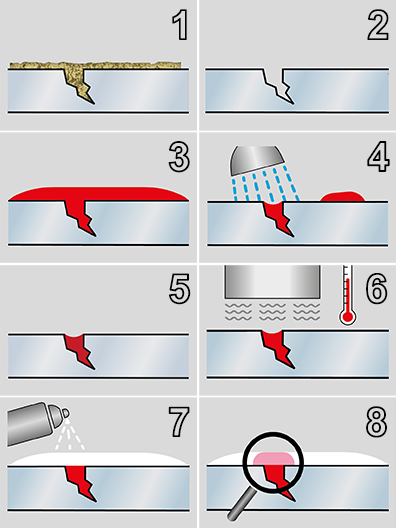
In penetrant testing, a low-viscosity liquid penetrant is applied to the surface of the component. The penetrant penetrates into surface defects through capillary action. After a specified dwell time, the excess penetrant is removed from the surface and a developer is applied. The developer draws the penetrant out of the defects, making them visible for inspection.
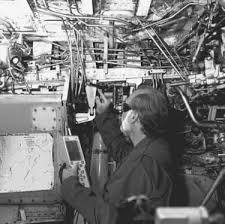
Penetrant testing is commonly used in industries such as aerospace, automotive, metal manufacturing, casting, forging, and welding inspection. The method is particularly effective in detecting very small surface cracks and discontinuities.
There are two main penetrant testing methods:
-
Visible Dye Penetrant – Inspection performed under normal white light.
-
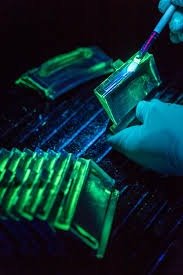
Fluorescent Penetrant – Inspection performed under ultraviolet (UV) light, offering higher sensitivity.
A typical penetrant testing process includes the following steps:
-
Surface cleaning
-
Penetrant application
-
Penetration (dwell) time
-
Excess penetrant removal
-
Developer application
-
Visual inspection
NEXSEN provides engineering solutions for penetrant testing applications, including manual, semi-automatic, and fully automated penetrant inspection systems and customized inspection equipment for industrial quality control processes.
Click the link below for our article on Penetrant Sensitivity Levels:
Penetrant Sensitivity Levels
Penetrant Sensitivity Levels
Click the link below for our Automatic Penetrant Line products:
Automatic Penetrant Line
Automatic Penetrant Line
Click the link below for our Penetrant Cabinet products:
Penetrant Cabinet
Penetrant Cabinet
Click the link below for our Penetrant Bench products:
Penetrant Bench
Penetrant Bench